
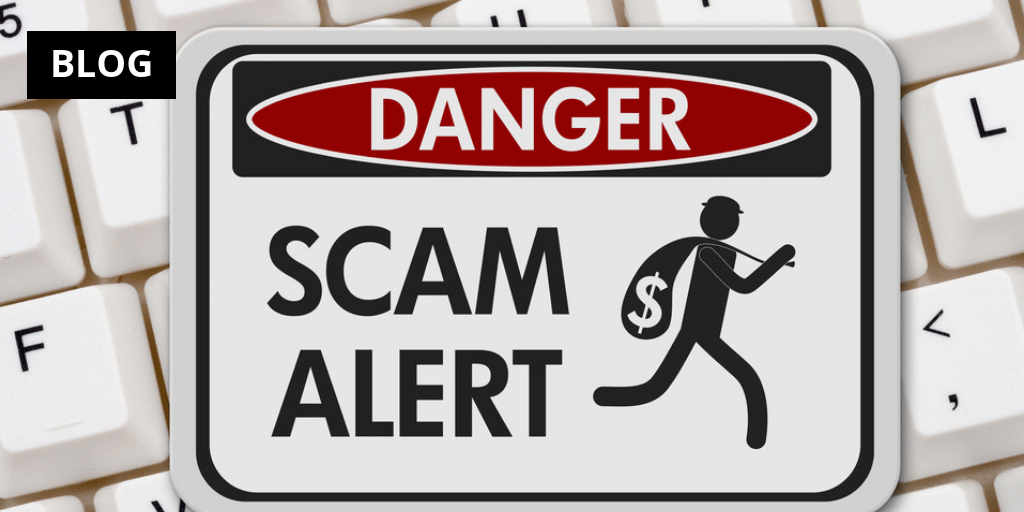
Scam emails, text messages and phone calls purporting to be from HM Revenue & Customs (HMRC) are becoming increasingly common across the UK, it has been warned.
Last week, consumer group Which? warned that these scams are getting more and more convincing – and that taxpayers need to be aware of the common hallmarks of a threat in order to avoid falling victim.
The group warned that fraudsters are increasingly using ‘scare tactics’ in order to get taxpayers to comply with their demands.
In two scam voicemail messages made public last week in a bid to raise awareness, speakers warned recipients that there was a warrant for their arrest if they did not pay a bogus tax bill – and that they could face immediate legal action if they ignored the call.
One call featured an automated voice which sounded similar to those used by many modern call centres, while another featured a female actress posing as an HMRC official.
Elsewhere, Police crime watchdog Action Fraud has previously warned about phishing emails and bogus text messages purporting to be from HMRC.
In most cases, fraudsters will contact taxpayers at random to inform them that they are due a bogus tax rebate. In reality, the scammers are simply trying to acquire personal details from their victims – such as bank account information – which can later be used to their advantage.
On the GOV.UK website, HMRC explains that it will never contact taxpayers in this way to inform them of any refunds or rebates.
The Revenue also lays out helpful guidance explaining how people can spot genuine HMRC contact from spam messages here.