
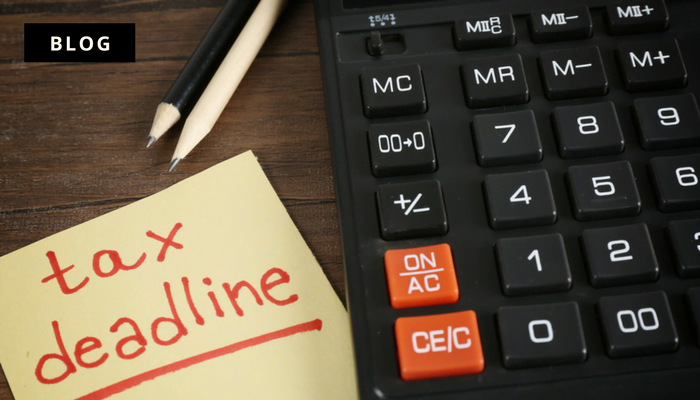
Friday 31 October is the final deadline for submitting a paper self-assessment tax return for income earned in the 12 months to 5 April 2018.
The reminder comes after the Institute of Chartered Accountants in England and Wales (ICAEW) published a helpful ‘to do’ list to help businesses prepare for the important tax deadline.
The warning applies to only those who file their self-assessment through traditional postal methods. Taxpayers filing their self-assessment return online have until 31 January 2019.
Failure to file a tax return by the respective dates will result in an automatic £100 penalty and the possibility of further fines, so preparing your tax return ahead of time is very important.
Announcing the tax return checklist, Anita Monteith, ICAEW Tax Manager, said: “If the idea of filing your tax return scares you, you just need get organised. Leaving it to the last minute can result in making mistakes or not having all the documents you need.
“As important as filling the self-assessment form is, it’s equally important to allow time beforehand to sort all the relevant documents you might need.”
The checklist, taken from the ICAEW website, can be found below. For more advice, please get in touch.
- Get everything together: Before you start filling in your return, gather your important documents. You will need details about your employment income; find your P60 and if your employer gives you other benefits, your P11D which outlines the details. You will also need your P45 if you have changed jobs during the year.
- Gather details of assets you’ve sold: You’ll also need to gather details of any assets you’ve sold in the year that may be liable for Capital Gains Tax (CGT).
- Pension contributions and charitable giving: Make sure you keep details of any pension contributions made. You will also need details of all your gift aid payments – have you sponsored a friend to run for charity?
- Keep proof: Make a copy of your completed tax return and keep it, and proof of posting, on file. Keep all paperwork for 22 months from the end of the tax year to which they relate if you are employed or a pensioner. If you are self-employed or letting a property, you should keep all paperwork for five years and 10 months.