
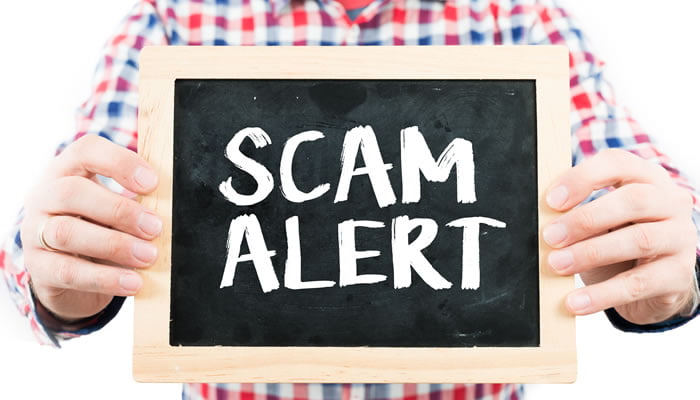
HM Revenue & Customs (HMRC) has this month warned taxpayers to be vigilant of phone calls from fraudsters pretending to be from the tax authority.
While also warning taxpayers of the dangers of email and SMS ‘phishing’, HMRC said a rising number of criminals are now turning their attention to the traditional method of cold-calling publically available phone numbers to steal money.
The tax office said up to 26 million homes could be at risk from scams, especially if they are not ex-directory. It added that fraudsters are also more likely to target the elderly and vulnerable as the HMRC ‘brand’ adds credibility to a fraudster’s call.
So, how do you recognise a scam?
According to HMRC, it is important to spot the red flag. Genuine organisations – such as banks and government departments – will “never contact you out of the blue to ask for your PIN, password or bank details”, it said.
Likewise, regardless of the caller’s true intentions, taxpayers should never give out private information, reply to text messages, download attachments or click on links in emails they were not expecting.
If someone does contact you purporting to be from a genuine organisation and needs information from you, always ask to ring them back using the official number listed on the organisation’s website. A real caller will never have a problem with this.
Commenting on the growing problem, Financial Secretary to the Treasury, Mel Stride, said: “We have taken major steps to crackdown on text and email phishing scams leaving fraudsters no choice but to try and con taxpayers over the phone.
“If you receive a suspicious call to your landline from someone purporting to be from HMRC which threatens legal action, to put you in jail, or payment using vouchers: hang up and report it to HMRC who can work to take them off the network.”
Head of Action Fraud, Pauline Smith, added: “Fraudsters will call your landline claiming to be from reputable organisations such as HMRC. Contact like this is designed to convince you to hand over valuable personal details or your money.
“Don’t assume anyone who calls you is who they say they are. If a person calls and asks you to make a payment, log in to an online account or offers you a deal, be cautious and seek advice.”
According to the latest figures, published by the tax office, HMRC received more than 60,000 reports of phone scams in six months up to January 2019 – a 360 per cent increase compared to the six months previous.